
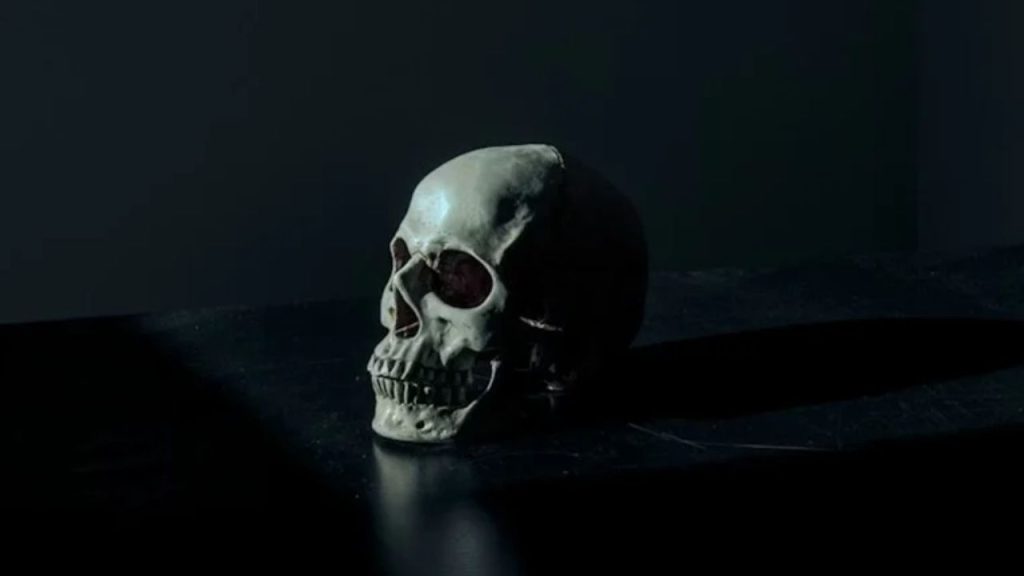
A human skull found inside an Amazon box on Chicago’s Near West Side more than a year ago has now been identified by DNA as belonging to a missing man, providing his family some closure after turning to the Cook County Medical Examiner’s Missing Persons Day for assistance. The identification confirms who he was, but it raises significant problems because investigators have yet to recover the rest of his remains and the cause of death is unknown.
The skull was discovered in October 2024, when a passerby walking his dog noticed an open Amazon box on a sidewalk near a sports facility in the 2600 block of West Taylor Street, according to officials. The caller reported seeing what seemed to be human remains in the box, prompting police to notify the Cook County Medical Examiner’s Office, according to FOX 32 Chicago.
When the skull arrived at the morgue, forensic specialists began meticulously recording it, estimating its dimensions and inspecting its surface for any distinguishing characteristics that could match current missing person data. Dr. Erin Waxenbaum, a forensic anthropologist at Northwestern University, stated that professionals can obtain “around 20 to 30 measurements” from a skull to assist establish a biological profile. The doctors also discovered a left ear anomaly, which, according to NBC Chicago, could explain the family’s hearing problems.
The breakthrough occurred after the family attended Missing Persons Day in 2025, where they were able to submit images, medical and other information, and a DNA swab for comparison with unidentified remains. The Cook County Medical Examiner’s Office told NBC Chicago that final DNA testing by the state lab in November 2025 yielded a match to Andre McDaniel, who was last seen only a few blocks from where the Amazon box was found.
Missing Persons Day is intended to enable families with a single, easily accessible location to file reports, turn over dental records, and provide DNA samples, all of which have previously assisted the medical examiner’s office in identifying unknown remains. This spring, the Cook County Medical Examiner’s Office sponsored its sixth such event, and the county noted that previous meetings have provided families with closure. The Cook County Medical Examiner’s Office also collaborates with NamUs and local police enforcement to assist with searches and upload information into national databases.
The identification provided some solace to McDaniel’s relatives, but it did not reveal how he died or whether further remains would ever be discovered. Investigators are still looking into the case, and the medical examiner’s outreach program serves as a reminder that patient, systematic forensic work mixed with community involvement can eventually bring long-awaited answers to families who have been kept in the dark.