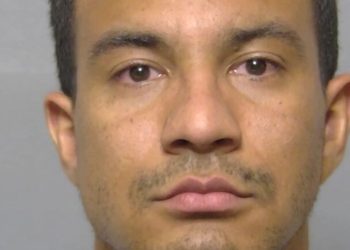

A man who threatened Chicago police officers with a gun just six days after receiving probation in another gun case, forcing the officers to shoot at him, received a sentence of just 2½ years on Tuesday, according to court documents. However, he is expected to serve little to no time in an actual prison.
Judge Tiana Blakely sentenced Rakim Kendall, 32, to first-time weapon offender probation on September 10, 2024, after he pled guilty to having a gun in his car in suburban Lansing. Six days later, Chicago police attempted to apprehend him because he matched the description of a masked man spotted with a gun outside businesses on the 7100 block of South Jeffery, according to a CPD report.
Related posts


Kendall fled from authorities and was struck by a passing SUV, putting him to the ground, according to police and video released later by the city. According to the complaint, he stood up and brandished a gun at officers before continuing to run with the weapon in his hand.
One officer fired a shot at Kendall as he scrambled to his feet. Prosecutors later said Kendall pointed the gun at officers multiple times with his finger on the trigger while the police shouted at him to drop the weapon. He refused, and officers fired again without striking him, according to officials.
Police eventually apprehended him in the 7100 block of South Cyril. Prosecutors claimed it took five cops and a Taser to get him under control. Kendall was allegedly found in possession of a weapon and a bag containing zip baggies of marijuana.
Kendall pleaded guilty on Tuesday to aggravated unauthorized use of a weapon and aggravated assault on a police officer. Judge Charles Burns sentenced him to 2½ years and gave him credit for 449 days in county jail. Kendall had less than seven days to spend because most prison sentences in Illinois are automatically reduced by half.
Kendall’s first-time weapon offender probation was ended “unsatisfactorily” by Judge Blakely earlier this week. The program, which permits successful participants to eventually have their cases expunged, was previously only available to adults under the age of 21 who met the eligibility requirements. Last year, lawmakers altered the statute to make the program available to all qualified individuals. Kendall benefited—or could have benefited—from the adjustment.