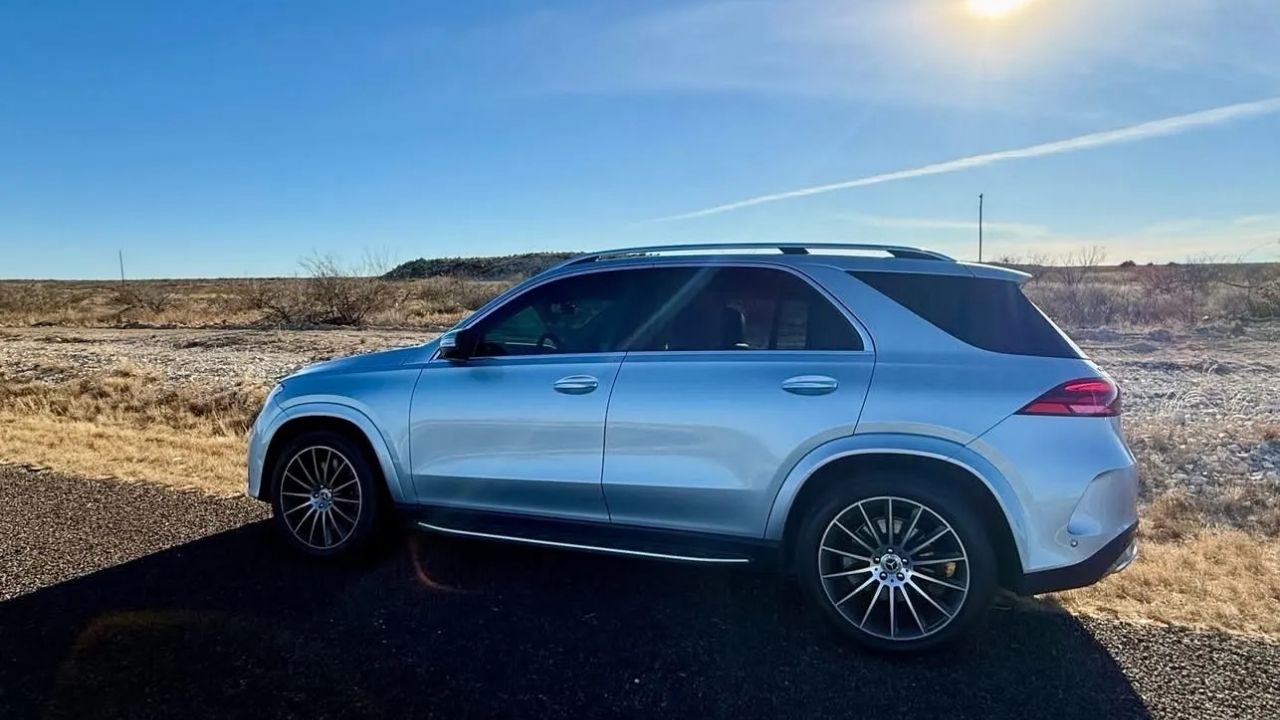
A lawyer driving a Mercedes was arrested and charged with reckless driving after allegedly traveling 120 mph in a 70-mph zone on a remote stretch of Far West Texas highway, according to Sheriff Thaddeus Cleveland.
In a public statement, Cleveland described the consequences of extreme speeding on rural roads, as well as the arrest that resulted in the vehicle being confiscated.
Related posts


“In rural West Texas, our wide-open spaces and long stretches of highway can make speeding feel harmless,” Cleveland wrote. “But that illusion disappears fast when livestock, wildlife, or debris suddenly appears in the road. Swerving at high speed leaves little room for error.”
According to Cleveland, one of his deputies stopped a Mercedes that was traveling at nearly double the speed limit.
“Recently, one of my deputies stopped a lawyer driving a Mercedes through the county at 120 miles per hour in a 70-mph zone,” says Cleveland. “The driver was arrested and charged with reckless driving, and the vehicle was impounded.”
The sheriff did not provide the driver’s identity or the exact location of the stop. The roadway was described as a long, rarely used stretch of road typical of Far West Texas, where settlements are far apart and traffic is usually light.
Law enforcement officials have frequently warned that such roads might give vehicles the impression that they are safe, although open-range animals, wildlife crossings, and trash are common hazards.
While many speeding violations result in citations, Cleveland’s statement emphasizes that extreme speed may result in arrest, depending on the circumstances, area, and officer involved.
According to legal authorities, reckless driving in Texas is a criminal violation punishable by arrest, vehicle seizure, fines, and even jail time. The charge is discretionary and is frequently determined by variables such as speed, road conditions, and perceived public hazard.
Cleveland’s tweet is a warning that even on seemingly deserted highways, excessive speed can have catastrophic repercussions.
“If you get the wrong deputy,” one local observer warned, “don’t think it can’t happen to you.” It depends on where you are.
The matter is still pending.