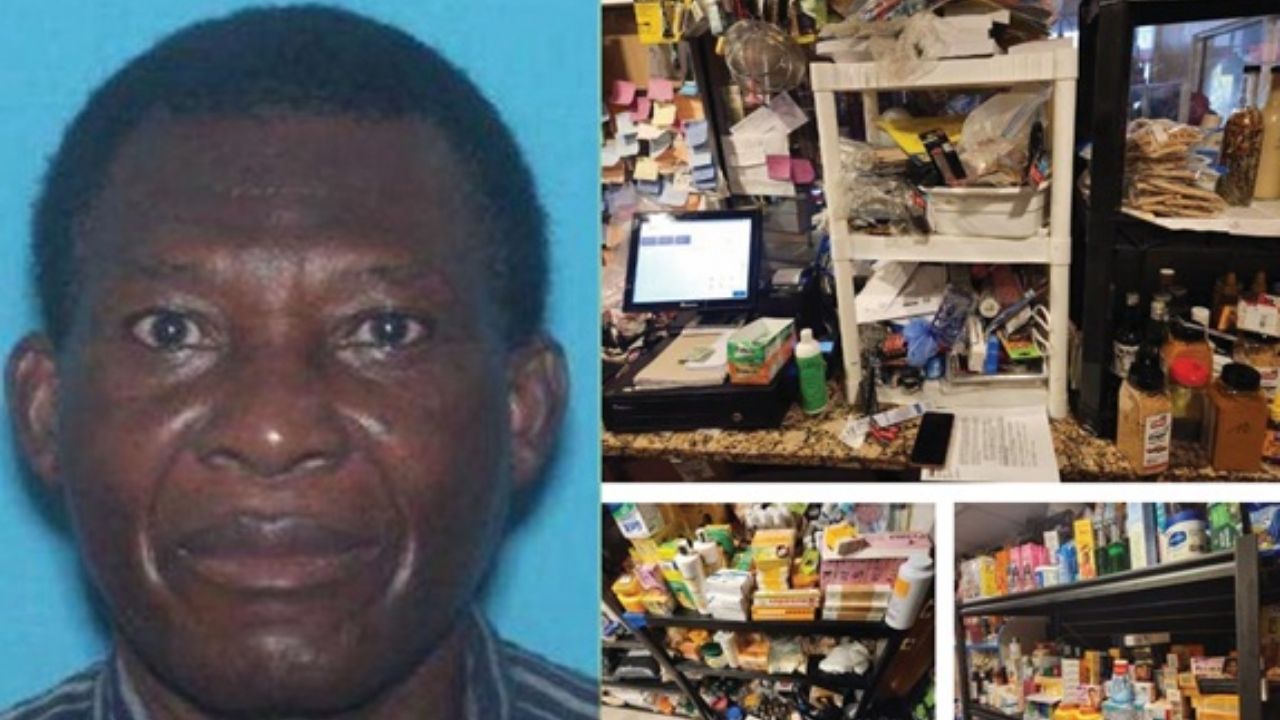
The owner of a small convenience store in Massachusetts has been convicted of unlawfully collecting millions of dollars in Supplemental Nutrition Assistance Program benefits. The defendant’s monthly SNAP redemptions in his 150-square-foot store varied between $100,000 and $500,000 per month, far exceeding full-service supermarkets, which redeem around $82,000 per month in SNAP payments.
In addition, the defendant sold liquor and emergency food supplies intended for food-insecure children overseas.


According to a press statement from the Massachusetts Department of Justice, Antonio Bonheur, 74, of Mattapan, has pleaded guilty to one count of food stamp fraud and one count of wire fraud. Judge Indira Talwani of the United States District Court has scheduled a sentence hearing for July 8, 2026. Bonheur was arrested and charged in December 2025. As part of today’s plea, Bonheur agreed to forfeit approximately $400,000 in unlawfully obtained funds recovered throughout the investigation.
Bonheur owned Jesula Variety Store, a modest variety store with one street-facing storefront in Boston’s Mattapan district. Jesula Variety Store occupied about 150 square feet.
According to the charge documents, despite the store’s small size, inventory, and food selections, Jesula Variety Store had unusually high SNAP redemption numbers that were beyond what could be properly supported by real food sales. Transaction data revealed that the store had very high average monthly SNAP redemption rates when compared to similarly placed companies of the same size, type, and location. Specifically, Bonheur’s monthly SNAP redemptions for Jesula Variety Store consistently topped $100,000, with several months topping $300,000 and, in some cases, $500,000. For instance, one full-service grocery in the same area receives nearly $82,000 per month in SNAP benefits.
Furthermore, transaction-level data revealed that just about 10% of SNAP transactions were for less than $40, with more than 70% exceeding $95. Such transaction patterns are more commonly linked with large supermarkets than tiny variety stores with limited food inventory.
During the investigation’s undercover activities, SNAP payments were trafficked for cash at Jesula Variety Store four times. In each case, the defendant operated cash registers and physically exchanged SNAP benefits for cash. Bonheur also sold liquor for SNAP benefits.
Jesula Variety Store also carried MannaPack meals, which are donated food products created by the non-profit Feed My Starving Children. These meals are totally funded by charitable donations and are meant for transportation and distribution to food-insecure children in other countries; they are never sold in stores. Bonheur made a profit by selling donated MannaPack meals in his business for around $8 per packet.
Because Jesula Variety Store had little real food inventory and earned little lawful revenue, Bonheur’s income was nearly completely derived from USDA-funded SNAP redemptions. To conceal the nature and source of these funds, Bonheur maintained a number of subsidiary bank accounts into which SNAP earnings were moved, withdrawn as cash, and redeposited, giving the illusion of normal business activity while concealing the genuine source of funds.
Despite earning millions of dollars in SNAP redemptions annually from Jesula Variety Store, Bonheur was awarded a SNAP card by the Massachusetts Department of Transitional Assistance. Bonheur lied about his salary and assets while asking for SNAP benefits.
The offense of food stamp fraud greater than $5,000 carries a maximum term of 20 years in prison, three years of supervised release, and a $250,000 fine. The charge of wire fraud carries a term of up to 20 years in prison, three years of supervised release, and a fine of $250,000. A federal district court judge imposes sentences based on the United States Sentencing Guidelines and the legislation that governs sentence determination in criminal cases.
The announcement was made today by United States Attorney Leah B. Foley; Charmeka Parker, Special Agent in Charge of the US Department of Agriculture, Office of Inspector General, Office of Investigations – Northeast Region; Ted E. Docks, Special Agent in Charge of the Federal Bureau of Investigation, Boston Division; and Boston Police Commissioner Michael Cox. Phillip A. Mallard, Assistant United States Attorney for the Organized Crime and Gang Unit, is prosecuting the case.
The details in the charge document are allegations. The remaining defendant is deemed innocent until proven guilty beyond a reasonable doubt in a court of law.