
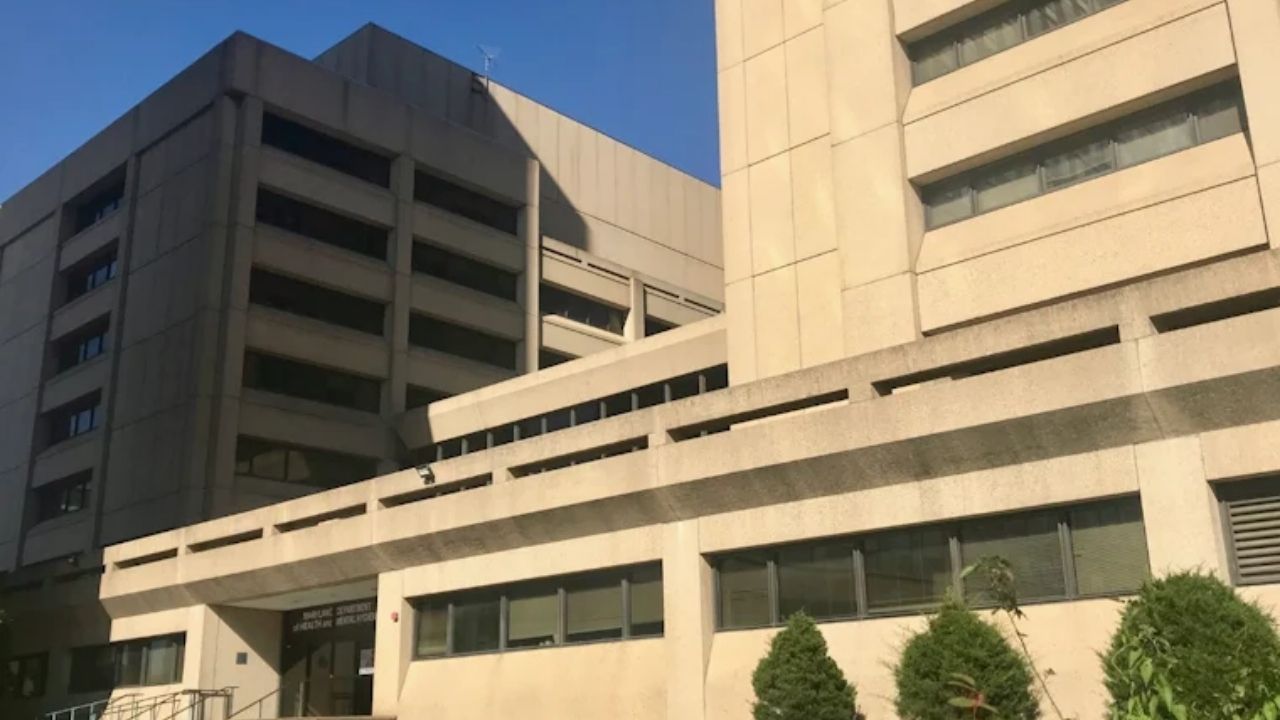
At least six more people have died in the last year and a half at a West Baltimore apartment complex connected to the administrators of PHA Healthcare, the disastrous addiction program that state regulators ordered to stop treating patients. The newly disclosed deaths, which were caused by a combination of overdoses and natural causes, raise new questions about how private treatment programs, low-cost housing, and state monitoring intersect for people in recovery.
The Baltimore Banner received autopsy and police documents, which show six previously unknown deaths between November 2024 and February 2026 at Ms. Ruby’s Place, a 36-unit property run by Stephen Thomas, the founder of PHA Healthcare, and his mother, Ruby Thomas. Four fatalities were judged drug overdoses, two were natural causes, and medical examiner findings show that all but one victim used illicit drugs shortly before dying. According to police records, five of the victims were discovered inside the complex, while one man was discovered on the grass outside, with investigators finding glass pipes and small vials near some of the bodies. When contacted for response, Stephen Thomas informed a reporter that he had “no reason to believe that anything you write will be fair and balanced,” while Ruby Thomas declined to answer additional questions.
Related posts


The additional deaths are part of a bigger probe of PHA Healthcare’s practices and where its patients were housed, which triggered state intervention. According to a fiscal and policy note for House Bill 722 by analysts from the Maryland General Assembly, the Maryland Department of Health issued a cease and desist order to PHA on December 23, 2024, and the program’s treatment services ended in January 2025. The episode has raised concerns about whether present policies and the state’s oversight capacity are sufficient to protect people in provider-linked housing.
Maryland statutes require recovery houses that accept state funds or advertise as certified to have a certificate of compliance, and the department maintains a list of certified homes. However, many houses operate without that accreditation, limiting the Maryland Department of Health’s automatic inspection jurisdiction. The state regulation specifies certification categories, inspection criteria, and the credentialing process for rehabilitation residences, as well as what constitutes a prerequisite for certification. Advocates claim that the gap permits properties to be used as accommodation for individuals in recovery while avoiding the routine inspections and personnel requirements that certified treatment organizations must follow.
Legislators have moved to impose reforms. According to a Department of Legislative Services study of House Bill 722, the Maryland Department of Health must report on improvements to COMAR 10.63 as well as improved oversight of treatment programs and recovery houses by December 1, 2025, and again in 2026. Temporary enrollment pauses have also been used by the government to prohibit new behavioral health providers in some jurisdictions while rules are being strengthened.
According to The Baltimore Banner’s analysis of Medicaid reimbursement data, Holistic Change, a Baltimore treatment provider affiliated with some of the same sites, billed approximately $1.3 million for intensive outpatient care in the seven months following the end of state payments to PHA Healthcare, a significant increase in that category of billing. Another program, Journey Health Center, briefly accepted several dozen PHA patients and employed some former PHA staffers before most of them quit, according to reports. The financial and referral changes have heightened calls to monitor how public funds flow to outpatient doctors who also provide or propose housing arrangements.
The mix of voluntary certification, accreditation standards, and Medicaid payment streams has resulted in legal blind spots. Health officials have the authority to suspend or revoke licenses for treatment programs, but they have fewer direct controls over uncertified recovery residences that continue to house those getting treatment. The legislative initiatives and the administration’s rulemaking aim to close those loopholes by tightening certification, inspection, and reporting requirements. Analysts caution that implementing these changes will necessitate additional staffing and resources. Families and advocates argue that accountability and clearer enforcement tools are required to prevent more deaths in program-linked homes.
For complicated residents, the immediate risk exists. Clients and neighbors told reporters that they witnessed routine drug use at the building this year, and activists say stricter inspections and clearer lines of duty are long necessary. Local media and the department’s own pronouncements reveal Maryland is tightening enrollment and oversight, but community leaders and lawmakers say monitoring and enforcement must be implemented fast if the state is to prevent such catastrophes in the future. WYPR’s reporting and CBS Baltimore’s coverage of the department’s enrollment pause provide more context for the larger investigation and regulatory response.